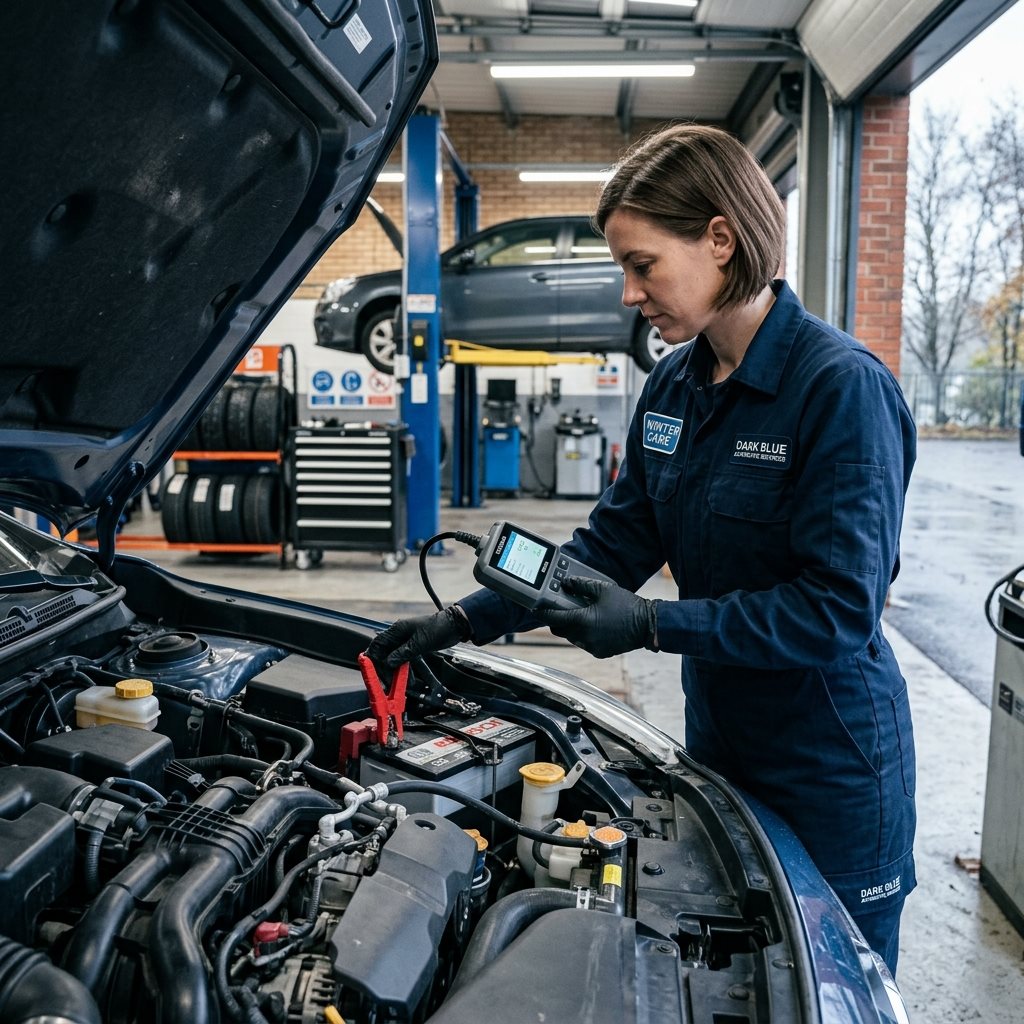
Toyota seasonal maintenance should be scheduled every 5,000 miles or six months, whichever comes first, with dedicated seasonal checkups performed twice a year in spring and autumn. Aligning factory inspections with Pacific Northwest seasonal shifts ensures critical components like tires, fluids, and batteries are prepared for damp fall roads and freezing winter temperatures.
Pacific Northwest weather creates distinct challenges for passenger vehicles. Continuous rainfall, road spray, and sudden temperature drops demand proactive care. Bringing a vehicle in for maintenance before seasonal weather transitions helps identify wear on wiper blades, subtle changes in tire pressure, and battery degradation before these issues cause unexpected delays.
Every Toyota model follows a factory maintenance schedule designed to maximize durability and fuel efficiency. For driver convenience, keeping up with routine inspections is straightforward. Drivers can reach our team directly at (800) 293-1677 or visit our Gladstone service location for professional advice and routine maintenance checks.
Establishing a regular maintenance cadence supports long-term vehicle performance and preserves safety features. Whether driving a Toyota Camry with an EPA-rated 51 mpg city / 49 mpg highway or a versatile Toyota RAV4 equipped with all-wheel drive, adherence to six-month intervals helps keep every system functioning to factory specifications.
Table of Contents
- What Items Are Included in a Standard Toyota 5,000-Mile or 6-Month Service Inspection?
- Does ToyotaCare Cover Scheduled Seasonal Maintenance for New Toyota Vehicles?
- Why Are Engine Coolant Specs and Replacement Intervals Critical for Winter?
- How Do Wet Weather Tread Depth and Autumn Temperature Drops Impact Driving Safety?
- Common Questions About Toyota Seasonal Maintenance in Gladstone
- Where Can You Verify Your Schedule and Book Certified Toyota Service?
What Items Are Included in a Standard Toyota 5,000-Mile or 6-Month Service Inspection?
A standard Toyota 5,000-mile or six-month seasonal inspection includes a synthetic engine oil and filter change, tire rotation, multi-point fluid check, wiper blade inspection, and a battery health assessment. Certified technicians also measure brake pad thickness and rotor condition to verify stopping power on wet road surfaces.
Routine multi-point inspections provide a complete overview of vehicle health. During the service visit, technicians perform the following fundamental checks:
- Rotating all four tires to promote even tread wear and extend tire life.
- Inspecting wiper blades for cracking, tearing, or streaking.
- Testing battery cold-cranking amps and cleaning terminal connections.
- Checking brake pads, calipers, rotors, and brake lines.
- Top-off of windshield washer fluid, power steering fluid, and coolant reserves.
- Inspecting engine air filters and cabin air filters for debris buildup.
For commuters heading across the Willamette River through City Central, seasonal rain makes tire traction and wiper blade performance essential for daily safety. Regular tire rotations every 5,000 miles help prevent uneven tread wear patterns that reduce grip on slick asphalt.
Proper maintenance preserves driver-assist technologies like adaptive cruise control and lane assist by ensuring underlying mechanical systems—such as braking and steering—respond instantly when activated. Drivers can easily maintain this schedule by scheduling a service appointment online before severe seasonal weather arrives.
Does ToyotaCare Cover Scheduled Seasonal Maintenance for New Toyota Vehicles?
ToyotaCare covers factory-scheduled maintenance for two years or 25,000 miles, whichever comes first, on model years 2026 and earlier. This no-cost maintenance plan includes covered engine oil changes, tire rotations, fluid replenishment, and multi-point inspections at recommended 5,000-mile intervals.
In addition to scheduled maintenance, ToyotaCare includes 24-hour roadside assistance for two years with unlimited mileage. If an unexpected flat tire, dead battery, or lockout occurs, drivers can request emergency support by calling Toyota Roadside Assistance: 1-800-444-4195.
TOYOTACARE COVERAGE SUMMARY
| Factory Maintenance Duration | 2 Years or 25,000 Miles (Whichever First) |
|---|---|
| Included Scheduled Services | Oil Changes, Tire Rotations, Fluid Checks |
| 24/7 Roadside Assistance Duration | 2 Years / Unlimited Mileage |
| Roadside Emergency Services | Battery Jump-Start, Tire Change, Lockout |
Eligible owners can take advantage of streamlined check-ins through our Toyota Express Maintenance program, where certified technicians utilize specialized equipment to complete standard 5,000-mile services quickly and efficiently without compromising quality.
Maintaining a consistent service record under ToyotaCare protects vehicle warranty coverage and helps maintain high resale value over time. Factory-trained technicians use genuine Toyota parts engineered specifically for each model, guaranteeing exact fit and optimal functionality.
Why Are Engine Coolant Specs and Replacement Intervals Critical for Winter?
Engine coolant specs and flush intervals are critical for winter because the correct coolant mixture prevents internal engine freezing, guards against cooling system corrosion, and enables proper cabin heater operation. Toyota specifies Toyota Super Long Life Coolant mixed at a 50/50 ratio with distilled water, which provides freeze protection down to -34 degrees Fahrenheit.
Factory Toyota Super Long Life Coolant is formulated to protect aluminum engine components from oxidation and pitting. Mixing standard aftermarket coolants with Toyota's pink organic-acid formula can break down protective additives, leading to chemical gel formation or premature radiator corrosion.
Initial replacement for factory Toyota Super Long Life Coolant occurs at 100,000 miles or 10 years, with subsequent flushes recommended every 50,000 miles or 5 years. Key indicators that a cooling system requires inspection include:
- Low coolant levels in the clear expansion reservoir.
- Engine temperature readings rising above normal operating range.
- Discolored or cloudy fluid inside the overflow tank.
- Insufficient heat output from the cabin climate control system.
- Visible sweet-smelling fluid spots under the front engine bay.
Drivers taking weekend trips up toward Forest Park or navigating the west-side hills in Northwest rely on steady engine thermal management during cold climbs. Sourcing correct fluids directly from our genuine Toyota parts counter guarantees chemical compatibility with factory cooling standards.
How Do Wet Weather Tread Depth and Autumn Temperature Drops Impact Driving Safety?
Wet weather tread depth and autumn temperature drops directly affect vehicle stopping distances and tire inflation pressure. Tire pressure decreases by approximately 1 to 2 PSI for every 10-degree drop in outside air temperature, while worn tires lose the ability to evacuate water on saturated roads.
When ambient temperatures decline during fall, underinflated tires suffer from increased rolling resistance and uneven shoulder wear. Toyota's Tire Pressure Monitoring System alerts drivers when pressure drops significantly below recommended levels, but manual monthly checks with an accurate gauge ensure proper calibration.
TIRE TREAD DEPTH & WET STOPPING POWER
| Tread Depth | Condition | Wet Safety Performance |
|---|---|---|
| 10/32 in | New Tire | Maximum Hydroplaning Resistance |
| 6/32 in | Recommended Minimum | Strong Wet Grip & Braking |
| 4/32 in | Service Threshold | Increased Stopping Distance |
| 2/32 in or less | Unsafe / Replacement | High Hydroplaning Risk (+89 ft) |
Tread depth plays a critical role in preventing hydroplaning. While 2/32 of an inch is the legal replacement limit, tires with only 2/32 of an inch of tread can require up to 89 additional feet to stop from 60 mph on wet asphalt compared to new tires with 10/32 of an inch.
Our service team observes that drivers who bring their vehicles in before autumn usually ask about tire tread life for wet asphalt before they ask about battery testing. Maintaining at least 6/32 of an inch of tread ensures optimal wet-weather grip for family-friendly crossovers like the Toyota RAV4 Hybrid, which features about 38 cubic feet of rear cargo space for seasonal gear.
Common Questions About Toyota Seasonal Maintenance in Gladstone
Q: How does seasonal maintenance differ for Toyota hybrid models like the RAV4 Hybrid or Camry?
Hybrid maintenance includes all standard 5,000-mile inspection items like engine oil changes, tire rotations, and brake checks, plus specialized hybrid system inspections. Technicians inspect the hybrid battery cooling intake duct and filter to clear dust buildup, ensuring proper airflow. Hybrid brake pads often experience less physical wear due to regenerative braking, but slide pins and calipers require regular lubrication to prevent rust in damp climates. Modern Toyota hybrid batteries feature warranty coverage for 10 years or 150,000 miles from first use.
Q: Can conventional engine oil be used during seasonal service if synthetic oil is specified?
No, vehicles engineered for 0W-20 or 0W-16 synthetic oil require low-viscosity synthetic formulations to ensure immediate lubrication during cold starts. Synthetic oil flows quickly in sub-freezing temperatures, reducing friction and engine wear. Using conventional oil in engine designs built for synthetic fluid can void factory warranties, lower fuel economy, and cause varnish buildup inside variable valve timing actuators.
Q: What is the recommended service interval for Toyota cabin air filters?
Toyota recommends replacing the cabin air filter every 15,000 to 30,000 miles, or roughly once a year during seasonal maintenance. In damp climates, a clogged or mildew-impacted cabin filter restricts defrosting airflow, leading to persistent window fogging during rainy commutes. Replacing the filter every autumn ensures high cabin air quality and rapid windshield defogging performance.
Q: Why does the tire pressure warning light come on during autumn mornings?
Autumn temperature drops cause air inside tires to contract, dropping pressure by 1 to 2 PSI for every 10-degree Fahrenheit reduction in ambient temperature. Overnight cold snaps frequently trigger the low-tire pressure warning indicator. Inflating tires to the cold PSI specified on the driver-side door jamb sticker resolves the warning and restores proper tread contact.
Q: What emergency support is provided under ToyotaCare roadside assistance?
ToyotaCare roadside assistance provides 24/7 coverage for battery jump-starts, flat tire changes using the vehicle's spare, emergency fuel delivery, lockout assistance, winching, and towing to the nearest authorized Toyota dealership. Towing coverage extends up to 25 miles. Coverage lasts for two years and unlimited miles from the vehicle's original in-service date. Drivers can learn more about our commitment to long-term ownership care when scheduling routine maintenance.
Where Can You Verify Your Schedule and Book Certified Toyota Service?
Gladstone Toyota owners can verify factory maintenance schedules through the My Toyota online portal or by reviewing the vehicle's original Owner's Manual Supplement. Our certified service facility provides complete maintenance support, factory diagnostics, and genuine OEM parts engineered specifically for your vehicle.
Toyota OF GLADSTONE SERVICE CENTER
| Facility Location | 19375 SE McLoughlin Blvd, Gladstone, OR 97027 |
|---|---|
| Direct Phone Contact | (800) 293-1677 |
| Online Services | Maintenance Scheduling, Part Orders, Express Checkout |
| Supported Lineup | New Toyota Models, Toyota Certified Pre-Owned Vehicles |
Whether maintaining a new hybrid or exploring our Toyota Certified Pre-Owned inventory, staying ahead of seasonal maintenance prevents unexpected repairs and protects long-term reliability.
To prepare your vehicle for upcoming seasonal changes, visit our service center at 19375 SE McLoughlin Blvd or speak with a service advisor directly at (800) 293-1677 to book your seasonal inspection today.
© 2026 Toyota of Gladstone. All rights reserved.